Minimally Invasive Neurosurgery
Early Consultation May Reduce the Need for Major Surgery
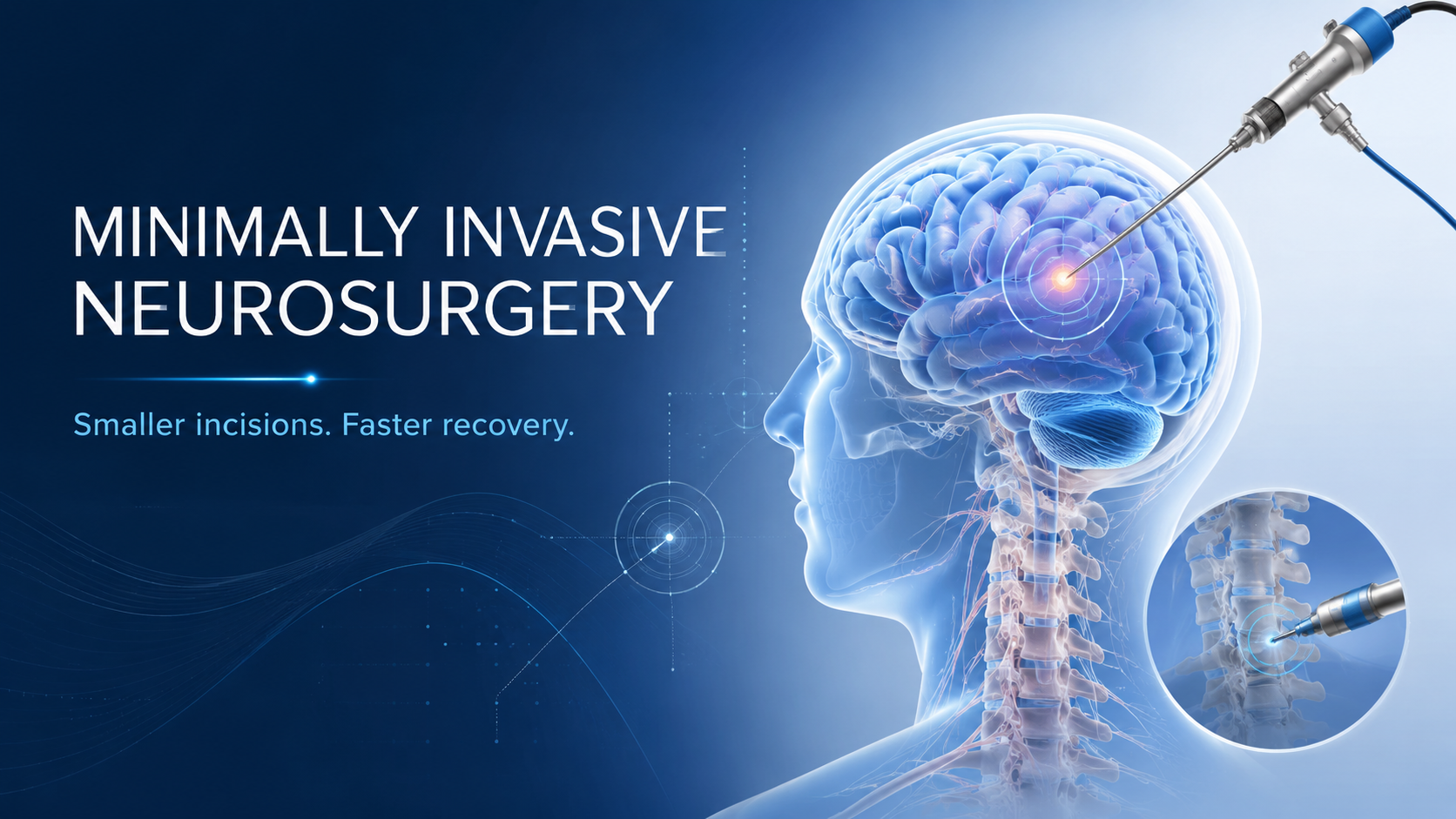
Minimally invasive neurosurgery uses smaller surgical openings together with advanced endoscopic, microscopic, navigation, and imaging technologies.
These techniques may be used for selected brain, skull base, pituitary, spinal, and nerve-related conditions.
Potential benefits may include smaller incisions, reduced tissue disruption, less postoperative pain, lower blood loss, shorter hospital stays, and faster recovery.
However, minimally invasive surgery is not suitable for every patient or condition. The safest approach depends on the diagnosis, location of the disease, severity, overall health, and surgical goals.
A specialist may recommend traditional open surgery when it provides safer access or a better chance of complete treatment.
Early consultation may provide more treatment choices and may prevent disease progression that could later require a larger or more complex operation.
Need specialist advice?
Treatment recommendations must be based on individual medical assessment, examination and relevant investigation reports.
Book a Consultation